-

Scaling Up Circular Economy Practices in Engineering
Scaling Up Circular Economy Practices in Engineering Introduction With waste reduction strategies in place, the next step is scaling up and expanding circular economy efforts. By building strong partnerships, promoting knowledge sharing, and integrating these principles into academia and industry, we can drive long-term sustainability in engineering. This post highlights the next steps to expand…
-
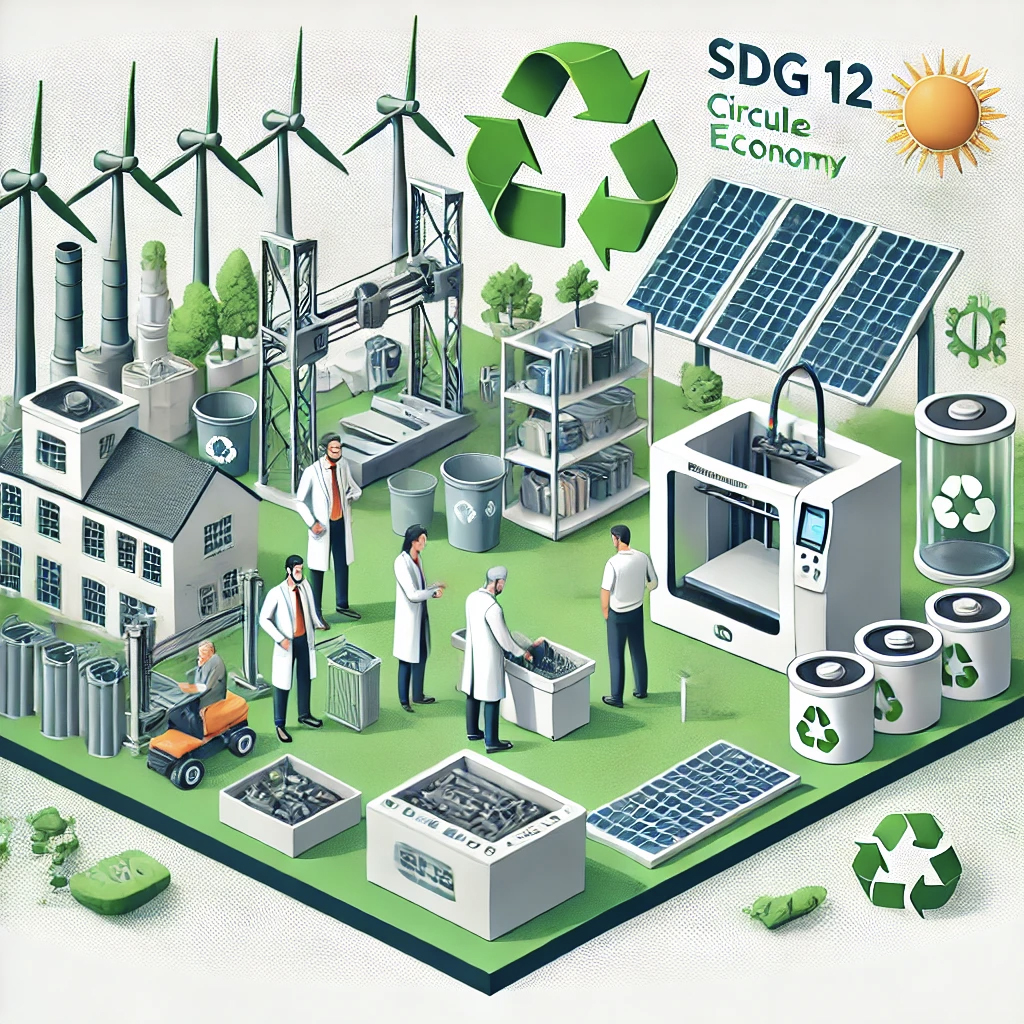
Waste Reduction Through Efficient Material Usage
Waste Reduction Through Efficient Material Usage Introduction Beyond recycling and upcycling, reducing waste at the design stage is essential for sustainability in engineering. By optimizing material usage, incorporating modular designs, and using advanced manufacturing techniques, we can minimize waste and improve resource efficiency. This post explores strategies I implemented to reduce waste in renewable energy…
-

Upcycling Electrical Waste into Sustainable Energy Solutions
Upcycling Electrical Waste into Sustainable Energy Solutions Introduction After collecting and testing electrical components, the next step was upcycling them into energy-efficient solutions. Upcycling extends the lifespan of waste by transforming discarded materials into functional products, reducing environmental impact, and promoting sustainability. This post highlights how salvaged components were repurposed into practical renewable energy solutions.…
-
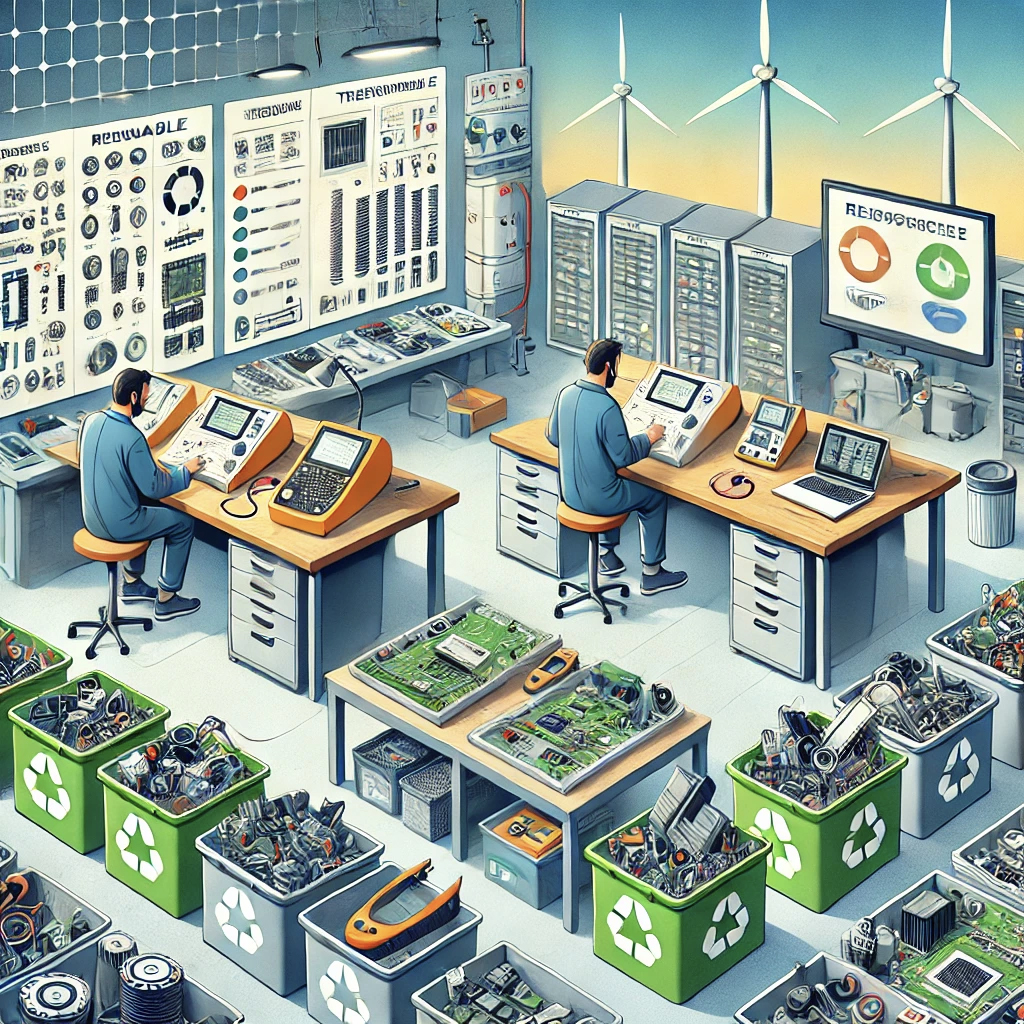
Sorting & Testing Collected Components
Sorting & Testing Collected Components Introduction After collecting discarded electrical components, the next step is sorting and testing them to determine their suitability for reuse, refurbishment, or recycling. This ensures maximum efficiency, minimizes waste, and optimizes the sustainability of renewable energy applications. Sorting Process To streamline processing, components were categorized into three groups: 1- Reusable…
-

Collecting Discarded Electrical Components
Collecting Discarded Electrical Components Introduction One of the first steps in implementing a circular economy in engineering is sourcing reusable materials. Renewable energy systems generate significant waste, including solar inverters, batteries, transformers, and circuit boards. Instead of letting these components end up in landfills, my project focused on collecting and repurposing them to support SDG…
-
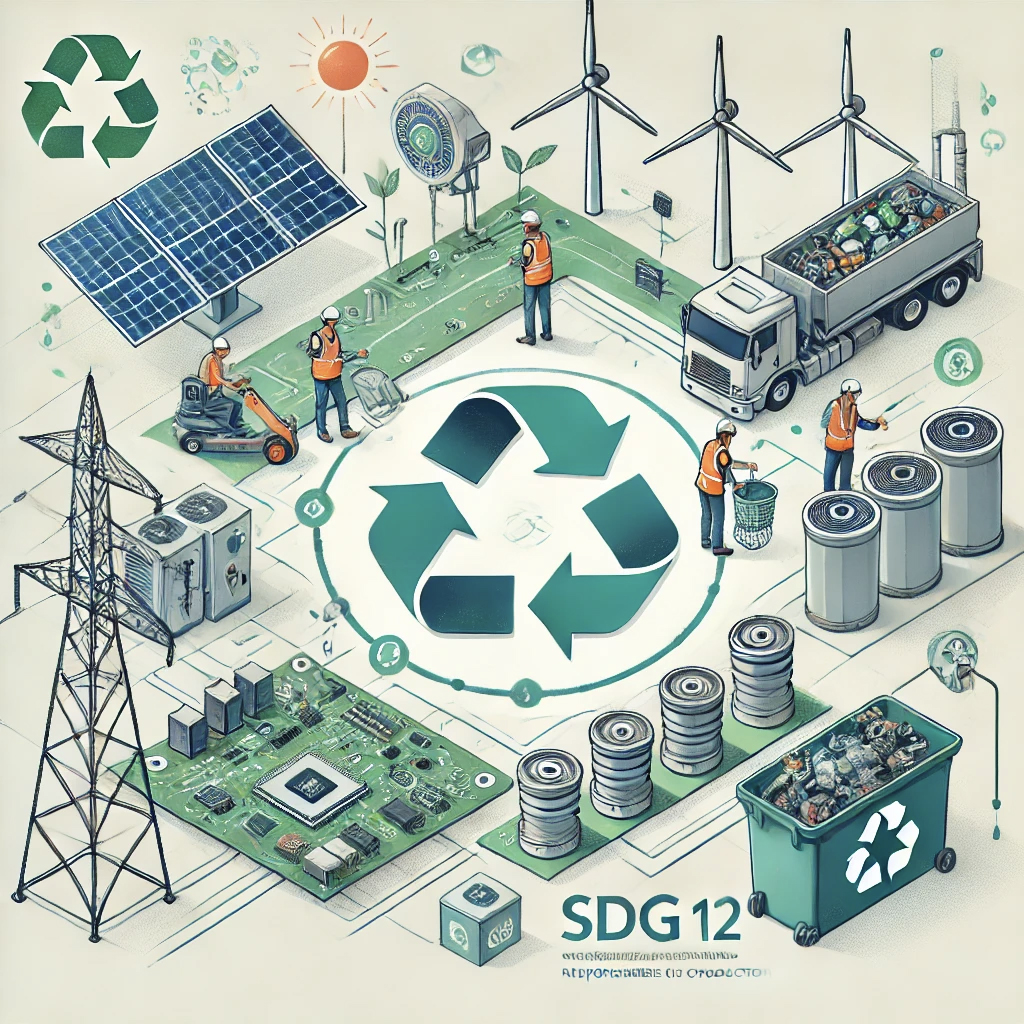
Why Circular Economy Matters in Engineering
Why Circular Economy Matters in Engineering Introduction The world is facing rapid resource depletion and growing electronic waste, especially in the electrical and mechanical sectors. Millions of tons of waste end up in landfills, causing pollution and resource scarcity. SDG 12: Responsible Consumption and Production calls for sustainable practices to reduce waste, promote recycling, and…
-

Brief Introduction to SDG 12: Responsible Consumption and Production
Sustainable Development Goal 12 (SDG 12) aims to ensure sustainable consumption and production patterns. It focuses on reducing waste, improving resource efficiency, and promoting sustainable business practices. With the growing demand for resources, SDG 12 encourages responsible use to protect the environment, economy, and society. Key Aspects of SDG 12: By adopting sustainable consumption and…
-
Subscribe
Subscribed
Already have a WordPress.com account? Log in now.
 Zahra Blogs